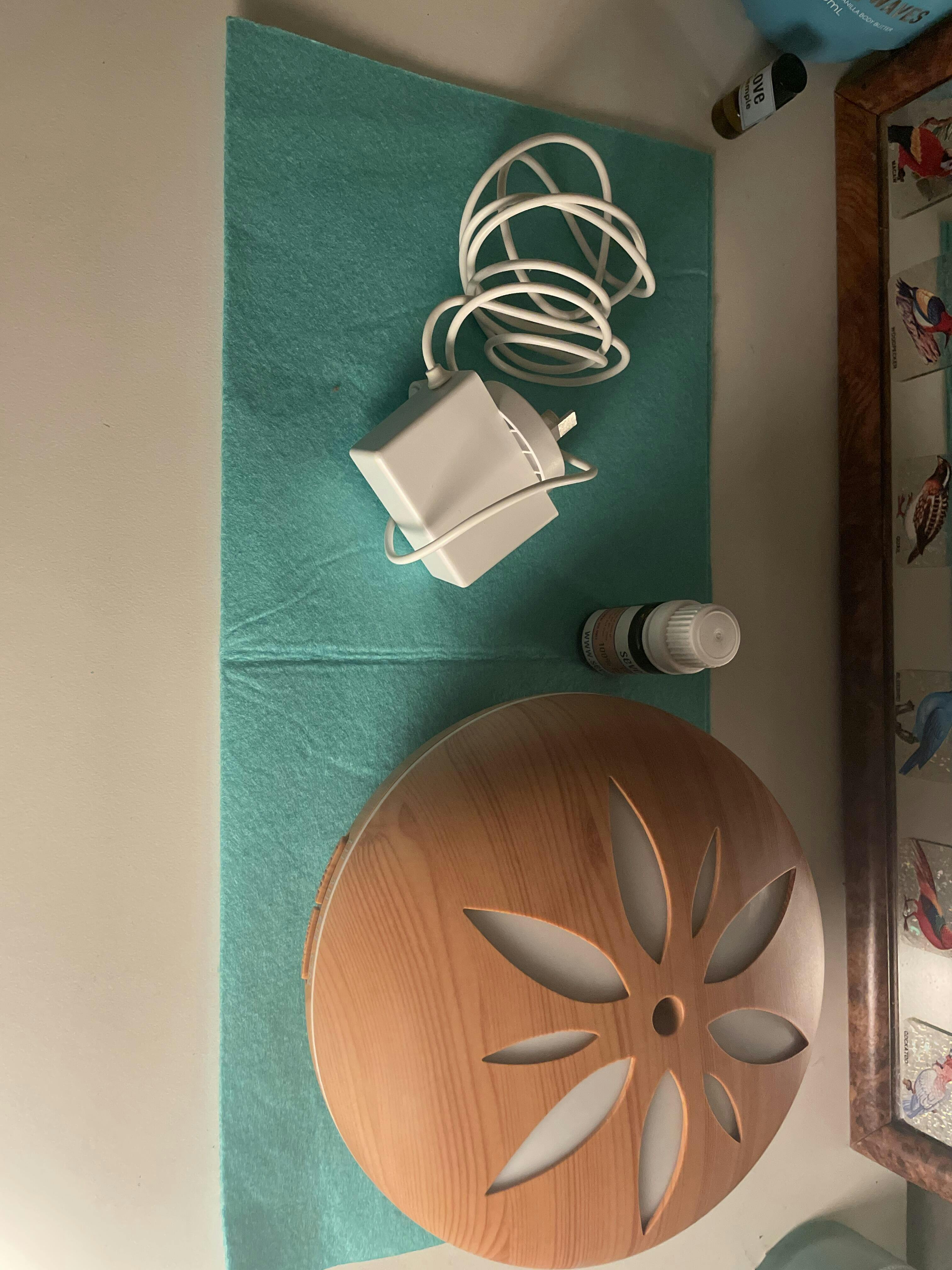
Why Diffuse Essential Oils at Home and Work? 10 Research-Backed Benefits
Ever walked into a space and felt instantly calmer? Or caught a scent that suddenly sharpened your focus? There's a reason aromatherapy has been practised for thousands of years – and modern science is finally catching up to explain why diffusing essential oils can genuinely transform how we feel, think, and sleep.
Whether you're working from home, heading into the office, or simply wanting to create a more welcoming atmosphere in your living spaces, an essential oil diffuser offers a simple, natural way to enhance your environment. But this isn't just about pleasant scents – the research behind essential oils reveals some genuinely impressive benefits for both mind and body.
Let's explore why diffusing essential oils in your workplace or home might be one of the easiest wellness upgrades you can make.
How Essential Oil Diffusion Works
Before we dive into the benefits, it's worth understanding what actually happens when you diffuse essential oils. An aromatherapy diffuser breaks down essential oils into microscopic particles and disperses them into the air. When you breathe in these aromatic molecules, they travel through your nasal passages to olfactory receptors, which send signals directly to your brain's limbic system.
Here's what makes this fascinating: your sense of smell is the only sense with a direct connection to the brain's emotional and memory centres. Unlike sight or sound, which get processed through other brain regions first, scent takes a shortcut straight to the areas controlling mood, memory, and stress responses. This direct pathway explains why certain scents can instantly trigger memories, shift your mood, or help you feel more alert.
Now, let's look at what the research says about the specific benefits of diffusing essential oils at home and in the workplace.
1. May Improve Sleep Quality
Sleep deprivation affects everything from concentration and mood to immune function and long-term health. If you're among the many people struggling to get the recommended 7 to 9 hours of sleep each night, aromatherapy might offer some welcome support.
A comprehensive meta-analysis published in Complementary Therapies in Medicine examined 30 studies on aromatherapy and sleep quality. The researchers found that aromatherapy significantly improved sleep quality in adults and elderly people, with an overall effect size of 0.74 – which is considered statistically significant. The same analysis found that aromatherapy also reduced stress, pain, anxiety, depression, and fatigue.
A 2025 study published in Scientific Reports found something particularly interesting about delivery methods. Participants who used a diffuser for nighttime aromatherapy reported better subjective sleep quality and reduced daytime tiredness compared to control groups. The researchers noted that diffusers provide a non-invasive method for delivering scents that's consistent with the non-arousing nature of olfactory stimuli during sleep.
For sleep support, try diffusing calming oils like lavender, ylang ylang, or chamomile about 30 minutes before bed. Many people find the gentle whirr of an ultrasonic diffuser adds to the soothing bedtime routine.
2. Helps Reduce Stress and Anxiety
Chronic stress doesn't just feel unpleasant – it can manifest as headaches, muscle tension, digestive issues, difficulty concentrating, and over time, increase your risk of serious health conditions like high blood pressure and heart disease.
A systematic review examining 76 studies with over 6,500 participants found that more than 70% of studies reported a positive effect on anxiety levels in aromatherapy groups compared to controls. In 42% of the randomised controlled trials, physiological measures including vital signs and salivary cortisol (the stress hormone) were used alongside questionnaires, providing objective evidence of stress reduction.
How does this work? Research suggests that certain essential oils affect the hypothalamic-pituitary-adrenal (HPA) axis – the body's central stress response system. Oils like lavender, bergamot, and sweet orange have been shown to reduce cortisol secretion. One particularly striking study found that orange essential oil dramatically reduced cortisol levels in children undergoing a dental procedure, with an 84% decrease in cortisol and an 82% drop in pulse rate.
The beauty of using a diffuser for stress relief is that it works passively – you don't need to remember to apply anything or take anything. Simply add a few drops of your chosen oil to your diffuser and let the calming benefits work in the background while you go about your day.
3. May Boost Focus and Productivity
Here's something that might interest anyone working from home or in an office environment: research from Japan found that when lemon essential oil was diffused in a workplace, typing errors decreased by 54%. Jasmine reduced errors by 33%, and lavender by 20%.
While this particular study was conducted by a fragrance company (so should be interpreted with that context in mind), the findings align with broader research on how scents affect cognitive performance. Peppermint and citrus oils, in particular, are associated with increased alertness and mental clarity.
The mechanism makes sense when you consider how strongly smell connects to the brain. Inhaling stimulating scents can help decrease mental fatigue and promote clearer thinking – exactly what you need when facing a demanding project or afternoon slump.
For productivity, consider diffusing peppermint, lemon, rosemary, or eucalyptus during work hours. Many people find that alternating scents throughout the week helps maintain their effectiveness.
4. Supports Cognitive Function and Memory
This is where the research gets particularly exciting. A 2023 study from the University of California, Irvine made headlines when researchers discovered that older adults who diffused essential oils for just two hours each night while sleeping showed a remarkable 226% improvement on a verbal memory test compared to the control group.
The six-month study involved participants aged 60 to 85 who used a diffuser with seven different essential oils (rose, orange, eucalyptus, lemon, peppermint, rosemary, and lavender), rotating through one scent per night. Brain imaging revealed improved integrity in the left uncinate fasciculus – a brain pathway connecting memory and decision-making regions that typically deteriorates with age.
Professor Michael Leon, one of the study's authors, explained that over the age of 60, both olfactory sense and cognition begin to decline. By gently stimulating the olfactory system during sleep – when the brain has an uninterrupted window of approximately eight hours – the researchers found a simple, non-invasive way to potentially support cognitive health.
While more research is needed, these findings suggest that regular exposure to varied essential oil scents through diffusion may help maintain cognitive function as we age. It's a remarkably simple intervention with potentially significant benefits.
5. May Help Purify Indoor Air
Many essential oils possess natural antimicrobial properties that may help reduce airborne pathogens. Research published in the International Journal of Environmental Research and Public Health found that essential oil vapours significantly reduced viable numbers of aerosolised coronavirus, bacteria, and fungal spores. After just 10 minutes of exposure to essential oil vapours, the number of viable fungal spores was reduced by 72%.
Clove oil has been identified as having the broadest spectrum antifungal activity against household mould, with research suggesting it can inhibit growth almost as effectively as some commercial disinfectants. Tea tree, eucalyptus, and cinnamon oils have also demonstrated antimicrobial properties in various studies.
It's important to note that diffusing essential oils isn't a replacement for proper cleaning or ventilation, but it may provide an additional layer of support for maintaining healthy indoor air quality – particularly relevant when someone in the household is unwell or during winter months when windows stay closed.
For air purification purposes, consider diffusing tea tree, eucalyptus, or lemon essential oils. These offer both antimicrobial benefits and fresh, clean scents.
6. Eliminates Household Odours Naturally
Unlike synthetic air fresheners that simply mask odours with stronger chemical fragrances, essential oils work differently. Many contain compounds that actually neutralise odour-causing molecules rather than just covering them up.
This makes diffusing essential oils particularly effective for tackling stubborn household smells like cooking odours, pet smells, or mustiness. The antimicrobial properties of certain oils also help address the fungi and bacteria that can cause unpleasant odours in the first place.
For kitchen odours, citrus oils like lemon, orange, and grapefruit work wonderfully. For musty smells associated with damp or mould, eucalyptus, tea tree, and clove are excellent choices. And for general freshening, lavender, peppermint, or lemongrass create a welcoming atmosphere without the artificial edge of conventional air fresheners.
7. Creates a Welcoming Atmosphere
There's something intangible but powerful about walking into a space that smells wonderful. Whether you're welcoming guests to your home or creating a more pleasant office environment, diffusing essential oils helps set the tone for how people feel in that space.
Our brains form strong connections between scent, memory, and emotion. By consistently diffusing certain oils in your home or workplace, you create positive associations that can make people feel more relaxed, focused, or energised – depending on your choice of oils.
For a warm, welcoming home atmosphere, try diffusing sweet orange, vanilla, or cinnamon. For a fresh, professional office environment, peppermint, lemon, or eucalyptus work well. The key is choosing scents you genuinely enjoy, as you'll be the one experiencing them most often.
8. Supports Respiratory Comfort
When the seasons change or a cold is going around, diffusing certain essential oils may help support respiratory comfort. Eucalyptus, peppermint, and tea tree oils contain compounds that can help open airways and make breathing feel easier.
Steam inhalation with essential oils has been used for generations to provide relief during respiratory discomfort, and diffusing offers a gentler, continuous way to experience similar benefits. The fine mist from an ultrasonic diffuser also adds moisture to the air, which can be soothing when heating systems dry out indoor environments during winter.
During cold and flu season, consider diffusing eucalyptus, peppermint, or tea tree essential oils to support respiratory wellness for the whole household.
9. Promotes Relaxation and Unwinding
After a long day at work, transitioning from "productivity mode" to "relaxation mode" can be challenging. Diffusing calming essential oils creates a sensory cue that signals to your brain it's time to wind down.
Research has consistently shown that certain oils – particularly lavender – have genuine relaxing effects on the nervous system. The compounds linalool and linalyl acetate found in lavender interact with neurotransmitters in ways that promote calm. But relaxation isn't one-size-fits-all; some people find citrus scents uplifting in a way that relieves their stress, while others prefer the grounding qualities of cedarwood or frankincense.
Creating an evening routine that includes diffusing your favourite relaxing scent can become a powerful self-care ritual. It's a small act that signals to yourself that you're prioritising your wellbeing.
10. Offers a Natural Alternative to Synthetic Fragrances
Many conventional air fresheners, plug-ins, and scented candles contain synthetic fragrances and chemicals that some people prefer to avoid. Essential oils offer a natural alternative derived from plants rather than laboratories.
When you diffuse pure essential oils, you're dispersing nothing but plant-derived aromatic compounds into the air – no propellants, no synthetic fixatives, no phthalates. For those trying to reduce their exposure to synthetic chemicals in the home, this is a significant benefit.
Of course, "natural" doesn't automatically mean "safe for everyone." Essential oils are potent plant extracts that require some basic safety awareness, which we'll cover below.
How to Get Started with Essential Oil Diffusion
Ready to experience these benefits for yourself? Here's what you need to know to get started.
Choosing a Diffuser
For most home and office applications, an ultrasonic diffuser is ideal. These use high-frequency vibrations to create a fine, cool mist that disperses essential oils without heating them (which can alter their therapeutic properties). They're quiet, safe to use around the clock, and often include features like LED lighting and timer settings.
Consider tank size based on your room and how long you want it to run. A 100ml tank is suitable for small rooms like bathrooms or home offices, while a 500ml+ diffuser works better for living rooms and larger spaces.
How Many Drops to Use
A general guideline is 3 to 5 drops of essential oil per 100ml of water. Start with fewer drops and increase if you prefer a stronger scent. More isn't necessarily better – subtle aromatherapy often works just as effectively as intense fragrance, and using too much can cause headaches in some people.
How Long to Diffuse
For most purposes, 30 to 60 minutes of diffusion is sufficient. Many diffusers have intermittent settings (30 seconds on, 30 seconds off) that help extend run time while maintaining effective scent dispersal. Overnight diffusing for sleep is fine if you use the right oils and keep the room ventilated.
Essential Oils for Different Purposes
Here's a quick reference guide for choosing oils based on your goals:
For better sleep: lavender, ylang ylang, chamomile, cedarwood
For stress relief: lavender, bergamot, frankincense, sweet orange
For focus and productivity: peppermint, lemon, rosemary, eucalyptus
For energy and alertness: peppermint, grapefruit, lemon, eucalyptus
For air purification: tea tree, eucalyptus, lemon, clove
For a welcoming atmosphere: sweet orange, vanilla, cinnamon, lavender
Browse our complete range of pure essential oils to find scents that resonate with you.
Safety Considerations
While diffusing essential oils is generally safe for most adults, there are some important considerations:
Pets: Many essential oils are toxic to cats and dogs, particularly tea tree, eucalyptus, peppermint, and citrus oils. If you have pets, ensure they can always leave the room where you're diffusing, never diffuse continuously for extended periods, and watch for signs of distress. Consult your veterinarian if you're unsure.
Children: Some oils (particularly eucalyptus and peppermint) should be used with caution around young children. Keep diffusers out of reach and use child-safe oils in lower concentrations.
Pregnancy: Some essential oils are not recommended during pregnancy. If you're pregnant or breastfeeding, consult your healthcare provider before diffusing.
Respiratory conditions: If you have asthma or other respiratory conditions, introduce aromatherapy gradually and monitor your response. Strong scents can trigger symptoms in some individuals.
Ventilation: Ensure adequate ventilation in any room where you're diffusing. Don't run a diffuser continuously in a completely sealed room.
Quality matters: Always use 100% pure essential oils from reputable sources. Synthetic fragrance oils or adulterated products may contain compounds that aren't safe to inhale. Our essential oils are 100% pure and sourced for quality.
Experience the Benefits Yourself
Diffusing essential oils is one of the simplest ways to enhance your home or workplace environment naturally. Whether you're seeking better sleep, reduced stress, improved focus, or simply a more pleasant atmosphere, there's an essential oil and diffuser combination that can help.
The research is encouraging, the practice is enjoyable, and the benefits extend throughout your day – from energising morning diffusion to calming evening wind-down. It's a small change that can make a meaningful difference to how you feel in your spaces.
Ready to get started? Explore our range of aromatherapy diffusers and pure essential oils to find your perfect combination.