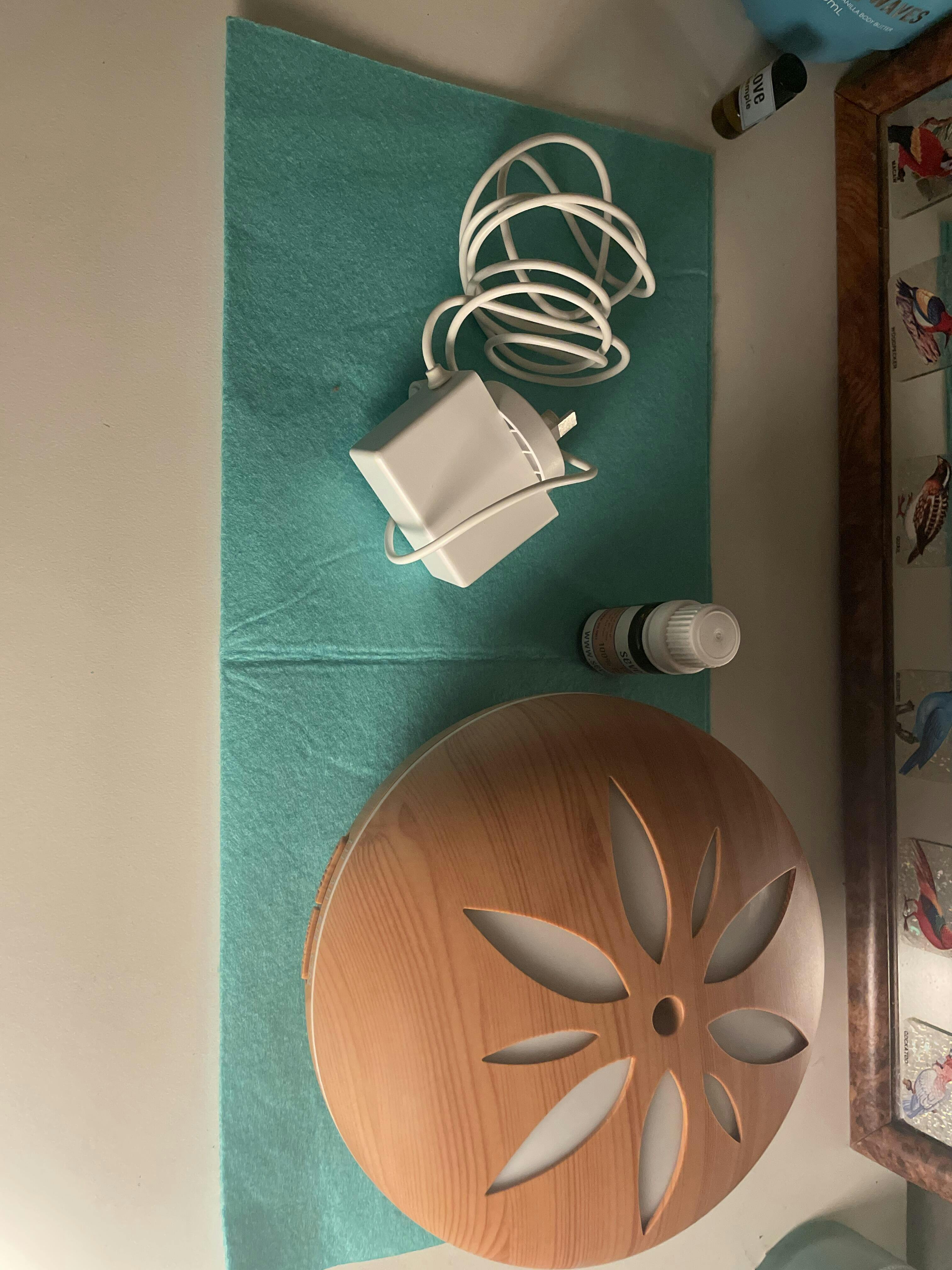
If you've seen those little devices producing a gentle, fragrant mist and wondered what exactly they are—you're not alone. An oil diffuser is one of the simplest ways to fill your home with beautiful scent while enjoying the therapeutic benefits of aromatherapy.
In short, an oil diffuser is a device that disperses essential oils into the air as a fine mist. Rather than burning oils or using heat (which can alter their properties), most modern diffusers use ultrasonic vibrations to break oils and water into microscopic particles that float through your space. The result? A room that smells incredible and—depending on the oils you choose—potential benefits for your mood, focus, and wellbeing.
We've been working with oil diffusers for years at our Wellington studio, testing dozens of models and helping thousands of customers find the right one. Here's everything you need to know about how they work, how to use them, and how to get the most from yours.
How Does an Oil Diffuser Work?
The most popular type of diffuser—the ultrasonic diffuser—works using high-frequency vibrations. Inside the device, a small ceramic disc vibrates at ultrasonic frequencies (too fast for human ears to detect). These vibrations break the water and essential oil mixture into incredibly fine particles, which are then released as a cool, aromatic mist.
Because there's no heat involved, the beneficial compounds in essential oils remain intact. This is important for aromatherapy—heat can degrade the volatile compounds that give essential oils their therapeutic properties.
The mist is so fine that it doesn't feel wet or leave residue. It simply disperses the scent evenly throughout your room, allowing you to breathe in the aromatic molecules as you go about your day.
Types of Oil Diffusers
Not all diffusers work the same way. Here are the main types you'll come across:
Ultrasonic Diffusers
These are the most common and what most people picture when they think of an oil diffuser. They use water mixed with a few drops of essential oil, and ultrasonic vibrations create the mist. They're quiet, safe, energy-efficient, and many double as a subtle night light with LED colour options. This is the type we stock at Seven Scents because they offer the best combination of performance, safety, and value.
Nebulising Diffusers
These use pressurised air to atomise pure essential oil—no water required. They deliver a more concentrated scent and are excellent for larger spaces. The trade-off? They use essential oils faster and tend to be pricier. If you're after maximum aromatherapy impact and don't mind going through oils more quickly, nebulisers are worth considering.
Heat Diffusers
These warm essential oils to help them evaporate into the air. They're affordable and simple, but the heat can alter the chemical composition of oils, potentially reducing their therapeutic benefits. Electric heat diffusers are safer than candle-powered versions, but we generally recommend ultrasonic models for aromatherapy purposes.
Evaporative Diffusers
These use a small fan to blow air through a pad or filter soaked in essential oil. As air passes over the oil, it evaporates and disperses. They're portable and don't require water, but the scent can be less consistent as lighter oil components evaporate first.
Reed Diffusers
Technically not "oil diffusers" in the electric sense, but worth mentioning. Reed diffusers use wooden sticks that absorb fragrance oil from a bottle and release scent passively. No power needed, no mist—just gentle, continuous fragrance. They're perfect for smaller spaces or areas where you want set-and-forget scenting.
How to Use an Oil Diffuser
Using an ultrasonic diffuser is genuinely straightforward. Here's the process:
1. Choose Your Location
Place your diffuser on a stable, flat surface at least 60cm above the floor. This height allows the mist to disperse effectively throughout the room. A bedside table, shelf, or desk works well. Keep it away from the edge where it might get knocked, and ensure it's near a power outlet.
2. Fill the Water Tank
Remove the lid and fill the tank with water to the indicated maximum line—never above it. Most diffusers hold between 100ml and 300ml. We recommend using filtered or distilled water rather than tap water, as minerals in tap water can build up inside the device over time and affect performance.
3. Add Your Essential Oils
Add 3–10 drops of essential oil depending on your tank size and how strong you want the scent. For a 100ml tank, 3–5 drops is usually plenty. For larger tanks (200–300ml), 5–10 drops works well. You can use a single oil or create your own blends—part of the fun is experimenting with different combinations.
4. Set Your Preferences
Replace the lid, plug in your diffuser, and turn it on. Most models have settings you can adjust: continuous or intermittent mist, timer options (1 hour, 3 hours, 6 hours), and LED light colours. Intermittent misting can help your water and oils last longer while still keeping the room fragrant.
5. Enjoy
That's it. Your diffuser will run until the water runs out or the timer stops it. Most quality diffusers have an auto shut-off feature that turns the device off when the water level gets too low—an important safety feature.
How Many Drops of Essential Oil Should You Use?
This is one of the most common questions we get. The answer depends on a few factors:
- Tank size: Smaller tanks (100ml) need fewer drops (3–5). Larger tanks (300ml+) can handle more (8–10).
- Room size: A small bedroom needs less than an open-plan living area.
- Personal preference: Some people love a subtle background scent; others want it more noticeable.
- Oil strength: Some oils are naturally stronger than others. Peppermint and eucalyptus are potent—a little goes a long way. Lavender and citrus oils tend to be softer.
Start with fewer drops and add more if needed. You can always increase the intensity, but you can't easily dial it back once the oils are in the water.
Can You Use Any Oils in a Diffuser?
This is important: for aromatherapy benefits, you should use pure essential oils in your diffuser. These are concentrated plant extracts obtained through steam distillation or cold pressing—the real deal.
Fragrance oils (synthetic or nature-identical scents) can also be used in diffusers if your goal is simply to make your space smell nice. They won't provide the therapeutic benefits of essential oils, but they're excellent for home fragrance and come in a much wider variety of scents—including complex blends that don't exist in nature.
What you shouldn't use: cooking oils, carrier oils on their own (like coconut or sweet almond), or anything not designed for diffusing. These can clog your diffuser and won't disperse properly.
Benefits of Using an Oil Diffuser
Why bother with a diffuser at all? Here's what makes them worth having:
Aromatherapy Benefits
Different essential oils offer different therapeutic properties. Lavender is renowned for promoting relaxation and better sleep. Eucalyptus and peppermint can help clear congestion and support respiratory comfort. Citrus oils like lemon and orange are uplifting and energising. A diffuser lets you access these benefits simply by breathing normally in your own home.
Better Than Candles for Continuous Scent
While we love a good candle, diffusers offer some advantages: no open flame (safer around kids and pets), longer-lasting scent from less product, and the ability to run while you sleep or leave the room. Many people use diffusers as their everyday home fragrance and save candles for special occasions.
Mood and Atmosphere
Scent has a powerful effect on how a space feels. A diffuser running with the right essential oil can make your home feel calmer, fresher, more inviting, or more focused—depending on what you choose. It's one of the simplest ways to shift the mood of a room.
Subtle Humidification
While diffusers aren't humidifiers (they produce far less moisture), the fine mist does add a tiny amount of humidity to the air. In very dry environments, this can provide a slight comfort boost—though if you have serious dry air issues, you'll want a dedicated humidifier instead.
How to Clean Your Oil Diffuser
Regular cleaning keeps your diffuser working properly and prevents oil residue from building up. Here's how:
Quick Clean (Weekly)
- Unplug the diffuser and empty any remaining water.
- Wipe the inside of the tank with a soft, damp cloth.
- Use a cotton bud to gently clean around the ultrasonic disc (the small ceramic plate at the bottom).
- Wipe dry and refill as normal.
Deep Clean (Monthly)
- Fill the tank halfway with clean water and add a teaspoon of white vinegar.
- Run the diffuser for 5–10 minutes to let the vinegar solution work through the system.
- Empty completely and wipe all surfaces with a cloth dampened with vinegar.
- Rinse with clean water and dry thoroughly before next use.
Avoid using harsh chemicals or abrasive materials—they can damage the tank and ultrasonic components.
Troubleshooting Common Issues
Weak or No Mist Output
First, check the water level—too little water means weak mist. If the tank is full, the ultrasonic disc may have residue buildup. Give it a clean with a cotton bud. Also ensure the diffuser is on a flat surface; tilting can affect the disc's contact with water.
Scent Isn't Strong Enough
Add more essential oil drops. If you've been using the same oil for a while, you might also be experiencing "nose blindness"—your brain tunes out familiar scents. Try switching to a different oil for a few days, then return to your favourite.
Diffuser Won't Turn On
Check the power connection and ensure the lid is properly seated—many diffusers have a safety feature that prevents operation if the lid isn't correctly in place. If it still won't work, the unit may need replacing.
Choosing the Right Diffuser for Your Space
When selecting a diffuser, consider:
- Room size: Larger rooms need diffusers with bigger tanks or stronger output.
- Run time: If you want all-day diffusing, look for larger capacity models or intermittent mist settings.
- Noise level: Ultrasonic diffusers are generally very quiet, but check reviews if you're sensitive to sound.
- Aesthetics: Your diffuser will be on display, so choose one that fits your décor.
- Features: Timer settings, auto shut-off, and LED lighting are common features worth having.
Ready to Start Diffusing?
An oil diffuser is one of the easiest ways to bring aromatherapy into your daily life. Whether you're after relaxation, better sleep, a fresher-smelling home, or simply a more inviting atmosphere, there's a diffuser and essential oil combination that'll work for you.
Browse our range of ultrasonic oil diffusers—we've tested and selected each one for performance, reliability, and design. Pair yours with our pure essential oils or fragrance oils and discover your favourite scents.
This information is for educational purposes only and is not intended as medical advice. Essential oils are not a substitute for professional medical treatment. If you're pregnant, breastfeeding, have a health condition, or are using essential oils around children or pets, consult a qualified healthcare provider or aromatherapist before use.